-
q: “What’s the difference between a marketing system and a marketing campaign?” a: “A campaign is a one-off push. A system is a closed loop where every action generates data, that data feeds back into the next decision, and the cycle repeats continuously. Campaigns end. Systems compound.”
-
q: “How long does it take to see ROI improvement from tracking setup?” a: “Tracking and attribution infrastructure usually takes 2-4 weeks to set up. First meaningful ROI improvements typically show in 6-8 weeks once the data is flowing. Optimization accelerates after that.”
-
q: “Can you build a closed-loop system with a limited ad budget?” a: “Yes. The system itself doesn’t depend on budget size. A $500/month ad spend with full tracking is more valuable than a $5,000/month spend with no attribution. Tracking is the leverage point.”
-
q: “What happens if you build content and ads without closed-loop tracking?” a: “You’re guessing. You’ll know which channels got clicks, but not which channels generated customers. You’ll optimize for the wrong metrics and waste budget fighting blindly.”
-
q: “Is a closed-loop system only for e-commerce?” a: “No. Service businesses benefit most. Contractors, coaches, agencies, consultants, realtors all have sales cycles and customer relationships that need attribution. E-commerce is actually the easiest to track because transactions are digital and immediate.”
-
q: “How do you track leads that convert offline?” a: “Use UTM parameters on all links, form tracking on your website, and call tracking software that logs phone numbers back to the ad or content that drove them. CRM integrations sync form data automatically. This closes the loop for leads who don’t convert immediately online.”
Answer
Service businesses lose money on marketing because they can’t see which ads, posts, or channels actually generate customers. A closed-loop marketing system fixes this by connecting every click to conversion data, feeding that intelligence back into your ad platforms, and letting you optimize spending toward what actually works. Most agencies ignore this—they report on impressions and clicks. A real system tracks revenue.
Key Takeaways
-
Closed-loop marketing systems feed conversion data back into ad platforms, allowing algorithms to optimize spending automatically over time instead of guessing which audiences to target.
-
ROI is the only metric that matters—not clicks, impressions, engagement, or reach. Track dollar in, dollar out, and let everything else follow.
-
Attribution infrastructure takes weeks to build but pays for itself in the first month through improved targeting and reduced ad waste.
-
Service businesses benefit most from closed-loop systems because sales cycles are longer and offline conversions are common; traditional agencies miss these entirely.
-
Marketing systems compound. Once tracking is live, each campaign teaches the system what works, making the next campaign more efficient. Campaigns without this loop reset every time.
Why Traditional Marketing Leaves Money on the Table

Most small business owners fire agencies every year because they can’t answer a simple question: “How much revenue did I get from that $5,000 ad spend?”
The agency shows them a report: 240 clicks, 12 form submissions, a 5% conversion rate. The owner nods, but they don’t know if those 12 leads turned into customers, or if they just looked good on paper. They definitely don’t know if the $5,000 was worth it.
This happens because traditional agencies separate channels. Social media, Google Ads, email, content—each one gets managed independently. Nobody’s tracking whether someone who saw a Facebook ad a week earlier converted after clicking a Google search result. The whole customer journey is invisible.
Without attribution, you’re optimizing for the wrong metrics. You boost the channel that shows the most clicks, even if those clicks never convert. You kill the channel that looks quiet, even if it’s generating the most valuable leads. You waste money proving channels matter instead of proving they pay.content strategy steps in.
What a Closed-Loop System Actually Does
A closed-loop marketing system connects three things: your ads, your website, and your CRM or payment system. Here’s how it works.
Step 1: Tagging. Every link from every ad, email, or social post gets a unique identifier (a UTM parameter). When someone clicks a link, that identifier travels with them through your website, into your form, and into your database.
Step 2: Tracking. Your website records which UTM code each visitor carried. Your CRM logs where the lead came from. Your payment processor or invoicing system records when they became a customer.
Step 3: Feedback. You extract that data and feed it back into your ad platform (Facebook, Google, etc.). You tell the platform: “This UTM code generated 5 customers. This one generated 0.” The algorithm learns and reallocates your budget automatically toward the audiences and messages that convert.
The result: each month, your targeting gets smarter. Your cost per customer drops. Your ROI improves. You’re not guessing anymore. You’re learning.
The Data Drives the Decisions, Not Your Gut
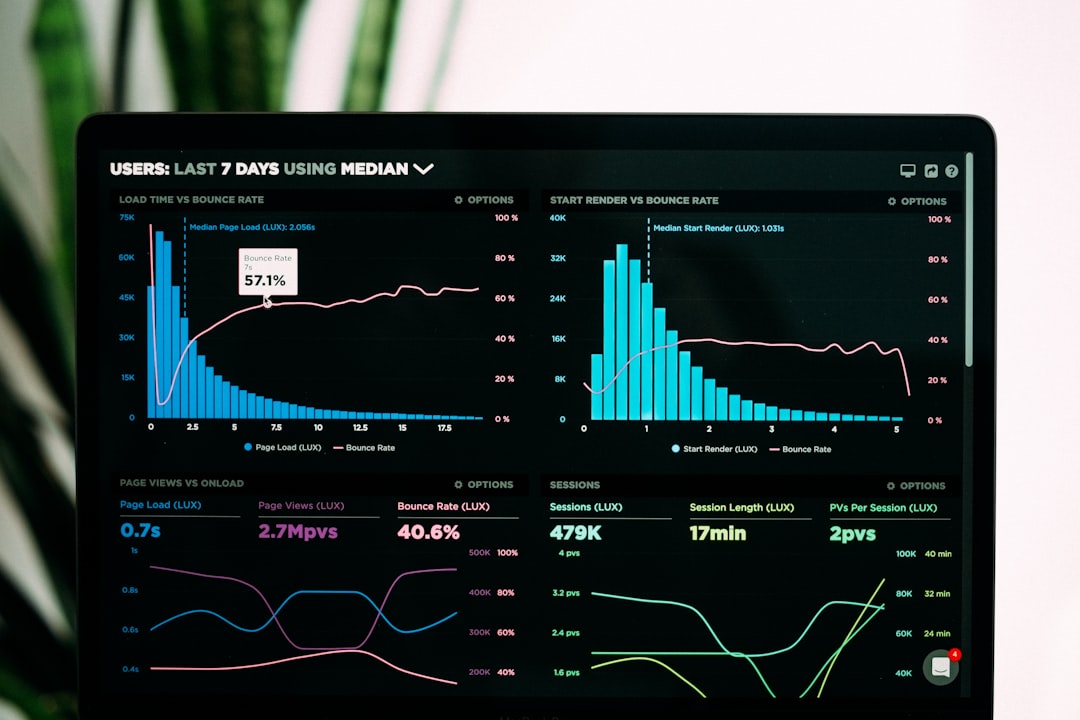
Once you have closed-loop data, something shifts. You stop arguing about what’s working because you can prove it.
A coach was spending $2,000 a month on Google Ads. She felt like the ads weren’t working, but the agency reported 180 clicks a month. Nothing looked broken. After implementing full tracking, she discovered those 180 clicks generated 4 actual customers. Meanwhile, she was also getting inbound inquiries from past clients—referrals she didn’t have to pay for. The Google Ads weren’t the problem; they were the expensive option. The data showed her to cut Google, double down on referral nurturing, and invest in content that would attract referrals.
She cut her ad spend by 60%, made the same revenue, and ended up with higher-quality leads.
This decision doesn’t happen without data. Gut instinct would have told her to tweak the ads or hire a better copywriter. Data told her the channel itself was wrong.
Why Vanity Metrics Destroy Your Budget
Impressions, reach, engagement, followers—these metrics feel good but they lie.
A post with 1,000 likes and 0 revenue has taught you nothing except that people will double-tap a picture. A post with 50 likes and 5 customers has taught you everything you need to know.
The agency that reports on impressions is covering for the fact that they don’t know which impressions matter. It’s not their fault; most platforms don’t connect impressions to revenue. So they report on what they can measure instead of what actually matters.
But that’s your money burning. A vanity metric doesn’t pay your staff or fund the next campaign. Revenue does.
How Closed-Loop Systems Scale Without Burnout

Here’s what happens to most agencies: as they grow, the founder keeps getting pulled into strategy, creative decisions, and client calls. The team executes, but the strategy doesn’t scale because it all lives in the founder’s head.
A closed-loop system is different. The data becomes the strategy. You don’t need to manually decide which audience to target next; the tracking shows you. You don’t need to debate whether Instagram is working; the attribution tells you. You don’t need a weekly strategy call; the dashboard shows what needs attention.
This frees the founder to focus on systems, team, and offers instead of babysitting campaigns. The machine runs itself because it’s constantly learning from data, not waiting for a human decision.
This is how you build a service business that doesn’t collapse when the founder steps back. The system becomes the strategist.
Building Your First Closed-Loop System
Start with one channel. Most service businesses pick Google Ads or Facebook Ads, not both.
Step 1: Set up tracking infrastructure. Install UTM parameters on all links. Set up form tracking on your website. Add a pixel or tracking code to your CRM so you can see where leads came from. This takes 2-3 weeks but is nonnegotiable.
Step 2: Run a simple test. Spend $1,000 a month for 4 weeks. Tag everything. Track everything. At the end, pull the data: How many leads? How many customers? What was the cost per customer?
Step 3: Feed it back. Tell your ad platform which audiences converted. Ask it to find more people like them. Let the algorithm optimize.
Step 4: Don’t touch it for 30 days. The system needs time to learn. Agencies mess this up constantly by tweaking things daily. Data compounds over time. Give it space.
Step 5: Review the second month. Cost per customer should drop 10-30% because the algorithm has learned. If it doesn’t, the problem isn’t the ads. It’s usually the offer, the landing page, or the sales process. The system tells you where to look.
The Systems Approach vs. The Campaign Approach

A campaign is a sprint. You launch, you measure, you end it. The insights stay with you. The next campaign starts from zero.
A system is a loop. You launch, you measure, the data feeds back, the next iteration learns from that data. Each cycle is more efficient than the last.
Service businesses should always be thinking in systems. A closed-loop marketing system means:
-
Your ads get smarter every month without requiring human intervention
-
Your budget allocation improves automatically as you learn which channels convert
-
Your team can execute without constant decision-making from leadership
-
You can scale without scaling the founder’s involvement
-
Every dollar has a clear return (or doesn’t, and you stop spending it)
This is not complicated. It’s just a deliberate structure.
FAQ
Q: What if my sales cycle is really long (3-6 months)?
A: Closed-loop tracking still works. You just track at every stage: lead, qualified lead, proposal sent, customer. Each stage is data. The system can’t optimize for final revenue instantly, but it can optimize for the leading indicators that predict revenue. Track the funnel, not just the end result.
Q: Can you do this with multiple channels at once?
A: You can, but you shouldn’t start that way. Start with one channel, get it working, then add a second. If you try to optimize three channels simultaneously with new tracking infrastructure, you can’t tell which decisions matter.
Q: What if you use a CRM that doesn’t integrate easily?
A: Most modern CRMs (HubSpot, Salesforce, Pipedrive, ActiveCampaign) have integrations with ad platforms. If yours doesn’t, you can manually upload data weekly or use a middleware tool like Zapier. It’s not ideal, but it still works. The tracking itself is the leverage.
Q: Does closed-loop tracking work for local service businesses?
A: Yes. Add call tracking (tools like CallRail or Ruler) to log which ads drive phone calls. This is especially valuable for plumbers, contractors, roofers, and other trades where most conversions happen by phone, not form.
Q: What’s the actual cost to set this up?
A: Tracking infrastructure is usually $500-$1,500 one-time (setting it up) plus $200-$400/month for tools. That’s tiny compared to your ad spend. It pays for itself in the first month by reducing wasted spend.
The One Thing to Remember
You can’t optimize what you don’t measure. If you’re running ads or building content without knowing which efforts actually generate revenue, you’re gambling. A closed-loop system removes the gamble. Build it once, feed it data continuously, and let it teach you what works.




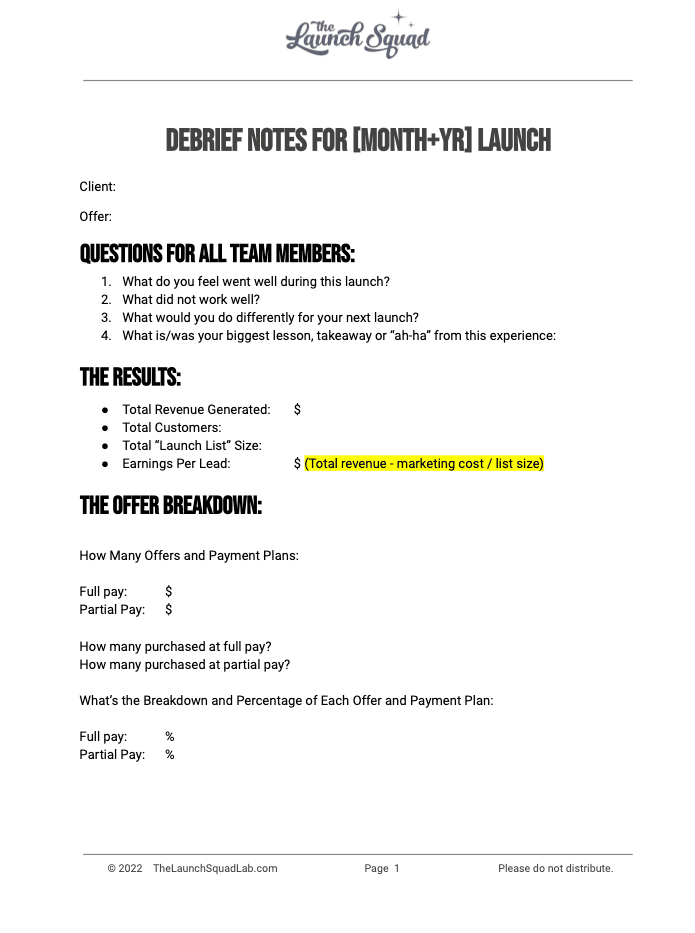

![Marketing Launch Calendar [TEMPLATE]](https://thecontentloop.co/wp-content/uploads/2023/05/Marketing-Launch-Calendar-TEMPLATE.png "Marketing Launch Calendar [TEMPLATE]")
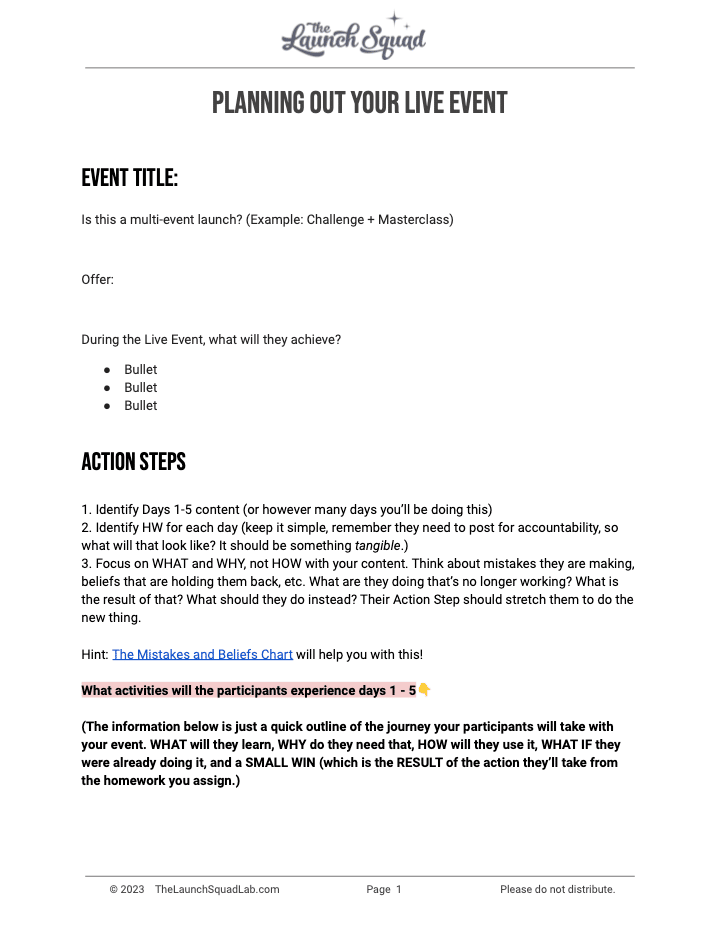
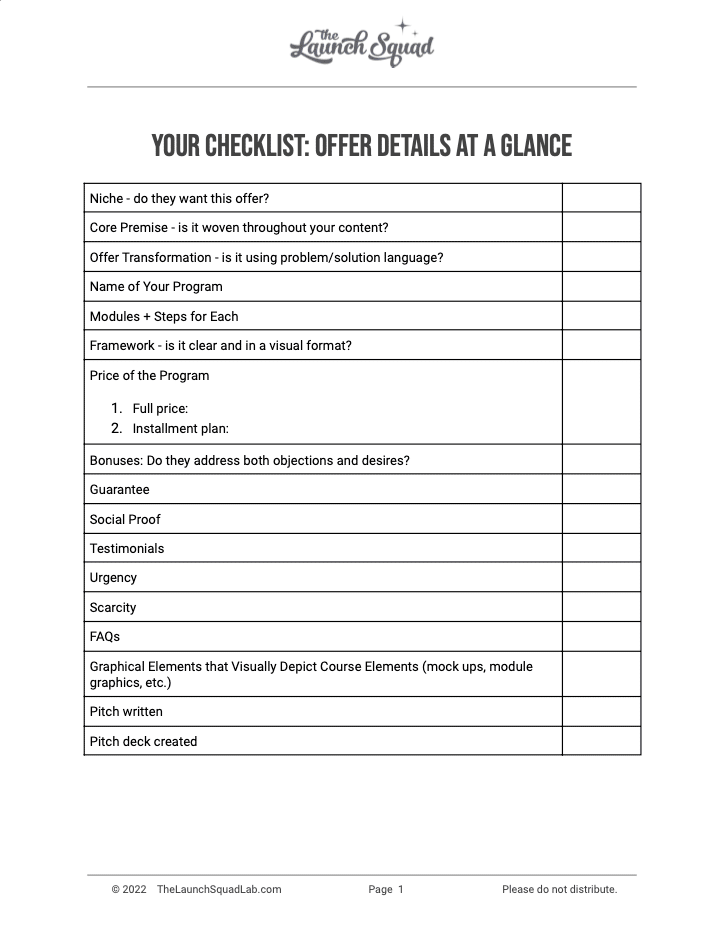


![[Updated] Email Templates for Launch](https://thecontentloop.co/wp-content/uploads/2023/05/Updated-Email-Templates-for-Launch.png "[Updated] Email Templates for Launch")
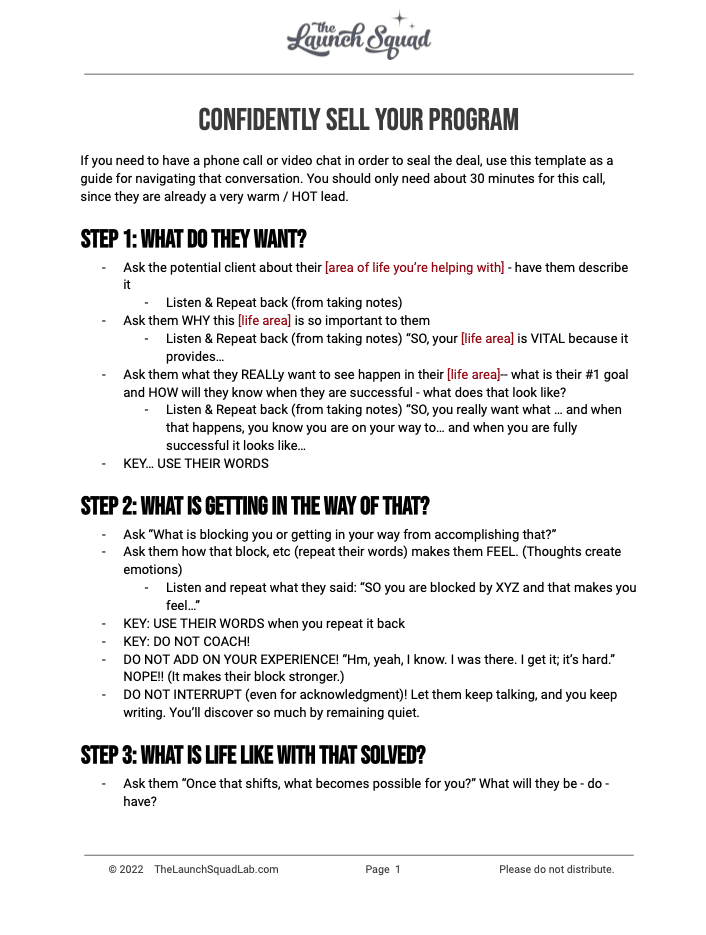
![[REVISED] LS Pitch Script](https://thecontentloop.co/wp-content/uploads/2023/05/REVISED-LS-Pitch-Script-2023.png "[REVISED] LS Pitch Script")