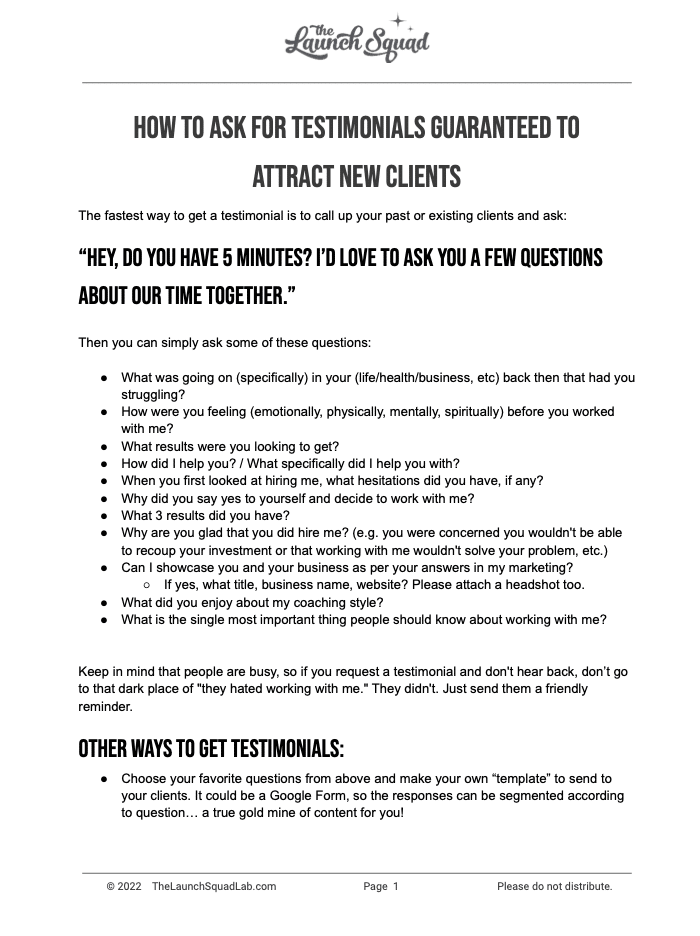
You’re juggling a million things—running a small business is no joke! But, let’s get real, your content is a hot mess, and it’s not doing you any favors. Imagine having a scalable content system that saves you time and boosts your online presence. Sounds dreamy, right? Well, buckle up, because I’m dishing out the exact steps to make it happen without losing your mind. Ready to ditch the content chaos? Chat with us at The Content Loop and see how we can help you build your dream content system!
Getting Started with Content Systems

Before you dive headfirst into building your scalable content system, it’s crucial to lay a solid foundation. This involves understanding the core components of content management and identifying the specific needs of your small business. By setting realistic goals, you can ensure your efforts align with your broader business objectives.
Understanding the Basics
Content systems form the backbone of efficient content management. At their core, these systems help organize, create, and distribute content effectively. The basic elements include planning, execution, and analysis. Planning involves content ideation and strategy, while execution covers content creation and publishing. Finally, analysis involves measuring the effectiveness of your content.
Understanding these basics helps you see where improvements can be made. For example, if content creation is a bottleneck, focusing on that area can yield big results. Moreover, knowing the basics lets you communicate your needs effectively to service providers like The Content Loop.
Identifying Content Needs
Identifying your content needs is like doing a self-audit. Begin by asking what content types are most valuable to your audience. Is it blogs, videos, or social media posts? Knowing what your audience wants ensures your content resonates.
Next, evaluate your current content output. Are you meeting your goals, or is there a gap? Recognizing this difference helps prioritize efforts. Additionally, consider your resources. Are you doing everything in-house, or do you need external help?
Understanding these needs guides your strategy and helps you allocate resources effectively. It enables you to focus on high-impact areas, ensuring your content system is both scalable and efficient.
Setting Realistic Goals
Setting realistic goals is a vital step in establishing a scalable content system. Goals provide direction, helping you focus on what’s important. Start by defining what success looks like for your small business. Is it increasing website traffic, boosting engagement, or enhancing brand visibility?
Once your goals are clear, break them down into actionable steps. This could involve increasing blog posts from one to two per week or boosting your social media engagement by 20%. Ensure each goal is achievable, measurable, and aligned with your business objectives.
Finally, review and adjust these goals regularly. As your business evolves, so too should your content strategy. This flexibility ensures your content efforts remain relevant and impactful.
Building Your Scalable Content System

With a solid understanding of the basics, it’s time to build your scalable content system. This involves selecting the right tools, establishing a content calendar, and automating processes where possible. Each step is crucial in ensuring your content system is efficient and scalable.
Choosing the Right Tools
Choosing the right tools is like finding the perfect partner—they make life easier and more enjoyable. Start by assessing your current toolset. What do you use for content creation, scheduling, and analytics? Identify gaps and opportunities for improvement.
Next, research tools that align with your needs. For instance, platforms like Trello or Asana can help with project management, while Hootsuite or Buffer can streamline social media scheduling. Each tool should support your content goals and enhance productivity.
Finally, don’t hesitate to test different tools. Many offer free trials, allowing you to see how they fit into your workflow. The right tools can significantly impact your content system’s efficiency and effectiveness.
Creating a Content Calendar
Creating a content calendar is like plotting a road trip—you know where you’re going and how to get there. A content calendar helps organize your content schedule, ensuring consistency and alignment with your goals.
-
Identify Key Dates: Start by marking important dates such as holidays, promotions, and product launches. These events can guide your content themes.
-
Plan Content Topics: Align your topics with your audience’s interests and your business goals. This ensures your content is relevant and engaging.
-
Schedule Publishing Dates: Assign specific dates for each content piece. This helps maintain a consistent output, essential for building a loyal audience.
A well-structured calendar minimizes last-minute scrambles and enhances your content strategy’s effectiveness.
Automating Content Processes
Automation is your best friend when scaling content efforts. Automating routine tasks saves time, reduces errors, and ensures consistency. Start by identifying repetitive tasks such as posting on social media, sending newsletters, or analyzing performance data.
Next, explore automation tools like Zapier or Buffer. These can connect various platforms, automate workflows, and free up time for strategic tasks.
Finally, remember that automation isn’t a one-size-fits-all solution. Customize workflows to fit your specific needs. This flexibility ensures your content system is truly scalable and aligned with your business objectives.
Boosting Your Online Presence

Building a content system is only part of the journey. To truly benefit, you need to actively boost your online presence. This involves engaging with your audience, analyzing content performance, and fine-tuning your strategy based on insights.
Engaging with Your Audience
Engaging with your audience is like having a conversation—it builds relationships and loyalty. Start by responding to comments and messages promptly. This shows you value their input and fosters a sense of community.
Next, create content that invites interaction. Ask questions, run polls, or host live sessions. These activities encourage participation and deepen engagement.
Additionally, consider partnerships or collaborations. Teaming up with other creators or businesses can expand your reach and introduce you to new audiences. Engagement is key to maintaining a vibrant online presence.
Analyzing Content Performance
Analyzing content performance is akin to checking the pulse of your content strategy. It provides insights into what’s working and what needs adjustment. Start by tracking key metrics like engagement rates, click-through rates, and conversion rates.
Tools like Google Analytics or The Content Loop can provide valuable data. Use these insights to identify trends and areas for improvement.
Finally, don’t just collect data—act on it. Adjust your strategy based on what’s performing well and what isn’t. This iterative approach ensures your content efforts are always aligned with your business goals.
Fine-Tuning Your Strategy
Fine-tuning your strategy is like refining a recipe—it improves the final result. Regularly revisit your content goals and performance metrics. Are you achieving your objectives? If not, identify what’s holding you back.
Consider experimenting with new content types or platforms. This can help reach new audiences and keep your strategy fresh.
Additionally, seek feedback from your audience. Their insights can provide valuable guidance for improvement. A well-tuned strategy is essential for maintaining a strong online presence.
Ready to ditch the content chaos? Chat with us at The Content Loop and see how we can help you build your dream content system!






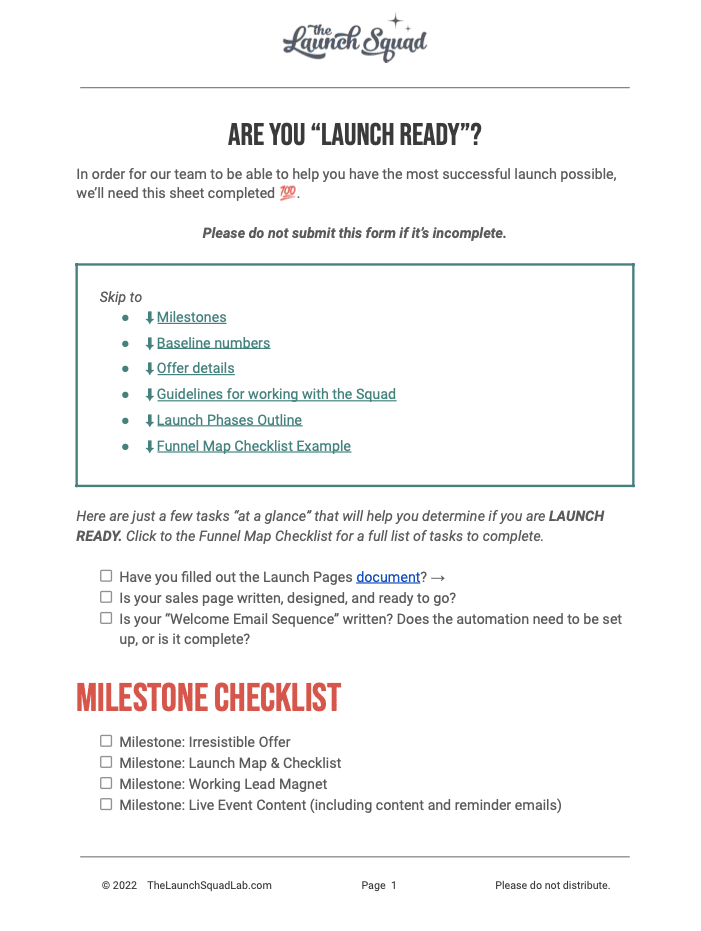


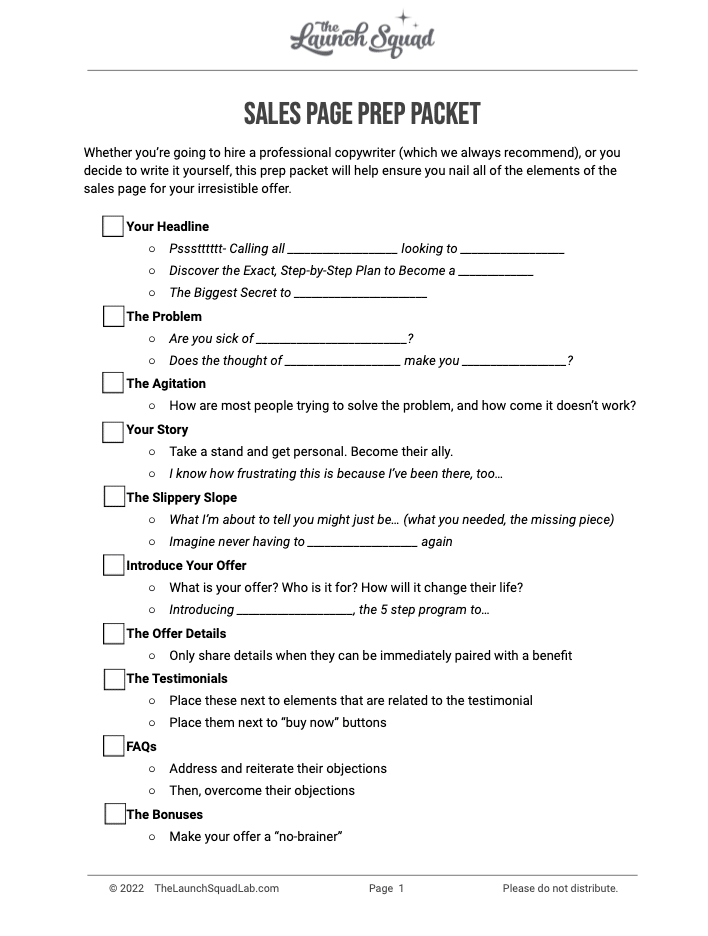
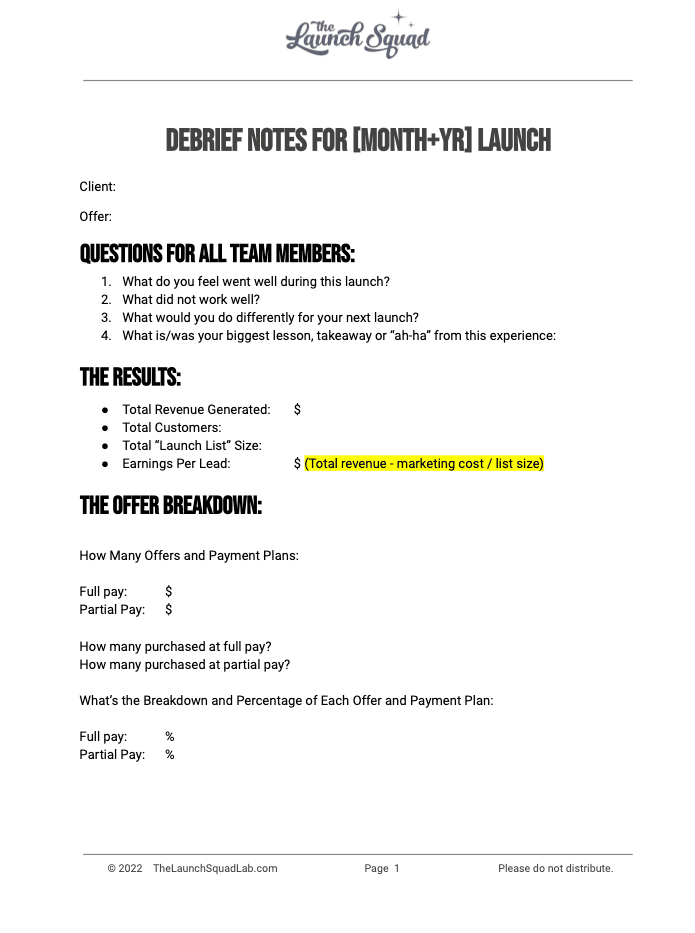

![Marketing Launch Calendar [TEMPLATE]](https://thecontentloop.co/wp-content/uploads/2023/05/Marketing-Launch-Calendar-TEMPLATE.png "Marketing Launch Calendar [TEMPLATE]")
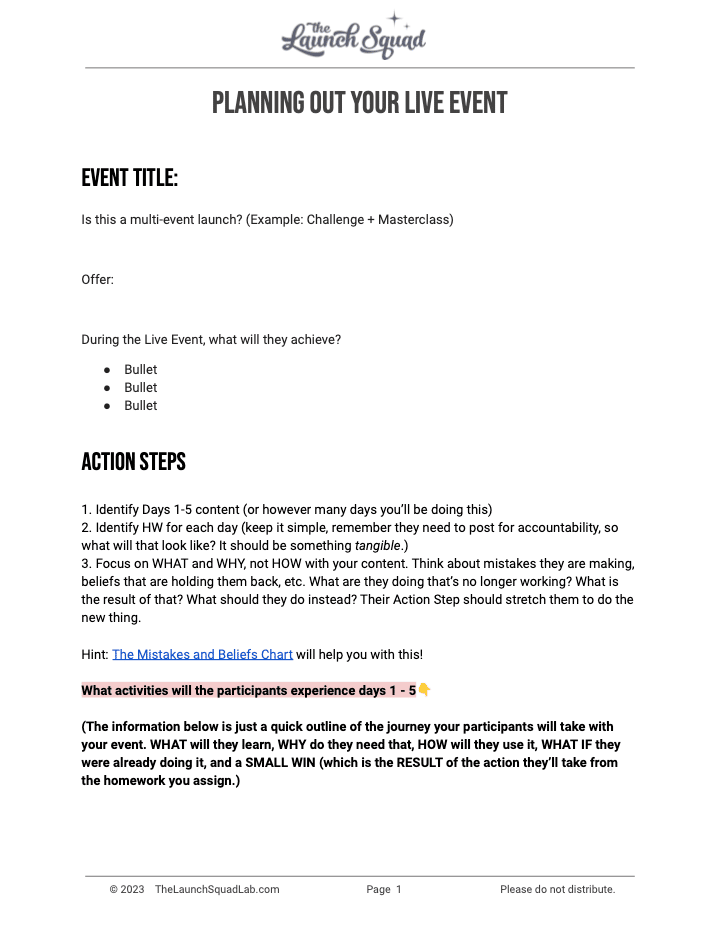
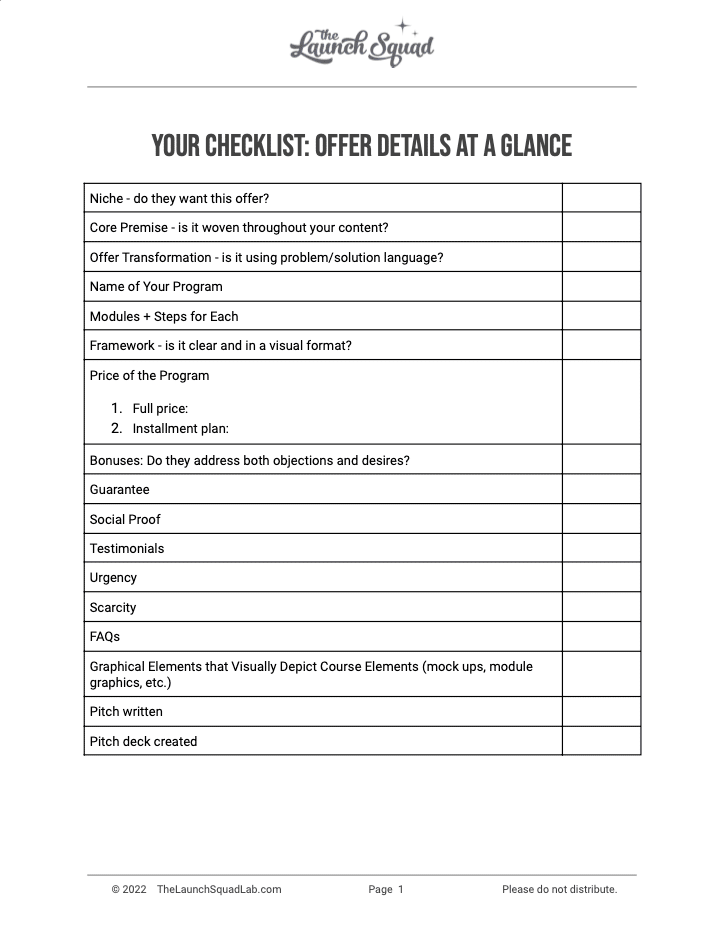


![[Updated] Email Templates for Launch](https://thecontentloop.co/wp-content/uploads/2023/05/Updated-Email-Templates-for-Launch.png "[Updated] Email Templates for Launch")
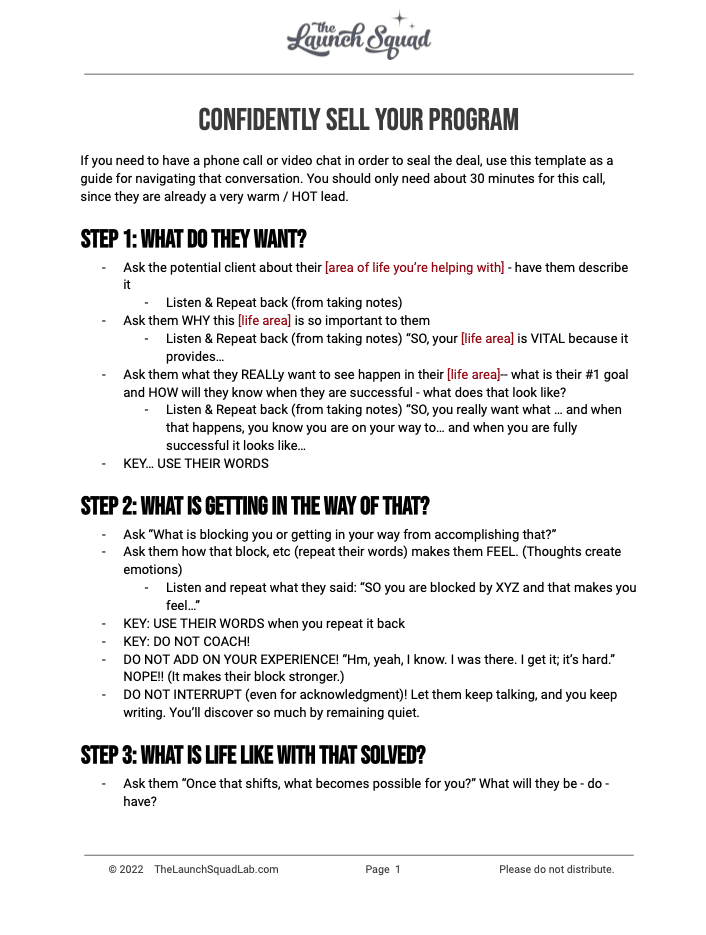
![[REVISED] LS Pitch Script](https://thecontentloop.co/wp-content/uploads/2023/05/REVISED-LS-Pitch-Script-2023.png "[REVISED] LS Pitch Script")