SEO Myths Debunked: What Works and What Doesn’t
If you’ve ever found yourself tangled in the wild web of SEO myths, you’re definitely not alone. Many entrepreneurs, content creators, and influencers have been led astray by outdated tips and tricks that promise to boost your online visibility but end up being as useful as a chocolate teapot. Whether you’re chasing unicorns or trying to decode the mysterious world of search engine optimization, we’re here to set the record straight with a sprinkle of humor and a dash of common sense. So, grab a coffee, get comfy, and let’s bust those myths wide open—because a savvy content strategy is just a few laughs away! 🚀✨

Common SEO Myths
Search engine optimization can be a bit like deciphering hieroglyphs. With so many myths floating around, it’s easy to get sidetracked by outdated or inaccurate advice. Let’s clear up some of the most common misconceptions.
Keyword Stuffing Works
Keyword stuffing is the sneaky practice of loading a web page with keywords in an attempt to manipulate a site’s ranking. Once the golden rule of SEO, it’s now a fast track to getting penalized by search engines. Modern algorithms are too savvy for such tricks.
-
Understand the risk: Keyword stuffing is not just ineffective; it can hurt your rankings.
-
Prioritize relevance: Use keywords naturally and in context.
-
Focus on user experience: Content should be written for humans, not bots.
A real-world example? Consider a blog post overloaded with “best shoes buy shoes online shoes cheap.” It reads awkwardly and offers little value to the user.
-
Search engines prioritize content that provides relevant, high-quality information.
-
User engagement metrics, like time spent on page, are crucial for rankings.
Avoid the pitfall of keyword stuffing by ensuring your content is valuable and engaging.
More Pages Mean Better Rankings
It’s a common belief that more pages automatically translate to better rankings. Quantity doesn’t trump quality when it comes to SEO.
-
Quality content: A few high-quality pages are more valuable than dozens of thin ones.
-
User experience: Search engines prioritize sites that offer a seamless experience.
Consider a site with hundreds of low-value, repetitive pages. Users might bounce quickly, signaling to search engines that the content isn’t valuable.
-
More pages don’t necessarily mean more traffic.
-
Focus on creating content that’s useful and relevant.
-
Each page should serve a distinct purpose and offer unique value.
In short, ensure that every page you publish is worth a reader’s time and attention.
Effective Content Strategies
Crafting a successful content strategy is about more than just avoiding pitfalls. It’s about understanding what truly resonates with your audience. Let’s dive into some strategies that can enhance your digital presence.
Quality Over Quantity
In the world of content, quality reigns supreme. It’s better to have a few pieces of excellent content than a slew of mediocre ones.
-
Originality matters: Unique content captures attention and keeps users engaged.
-
Substance over fluff: Provide depth and insight rather than superficial coverage.
A case study on a blog that cut its posting schedule from daily to weekly saw improved user engagement and search rankings.
-
Users spent more time on the blog, and bounce rates decreased.
-
Search engines rewarded the site for its engaging, valuable content.
Focus on crafting content that informs, entertains, or inspires. You’ll find it better to publish less, with higher impact.

The Power of Backlinks
Backlinks, or inbound links, are like votes of confidence from one site to another. They’re crucial for establishing credibility and authority.
-
Quality backlinks: Links from reputable sites boost your credibility.
-
Natural acquisition: Earn links by creating great content, not by spamming.
Think of a reputable news site linking to your blog post. It’s a vote of confidence, signaling to search engines that your content is trustworthy.
-
Backlinks improve search engine rankings.
-
They drive referral traffic to your site.
To harness the power of backlinks, focus on building relationships with other creators and consistently producing top-notch content.
Boosting Online Visibility
Improving online visibility involves more than just tweaking your website. It requires a holistic approach, considering everything from social media to mobile responsiveness.
Social Media’s Role in SEO
While social media signals don’t directly impact rankings, their role in SEO is still significant.
-
Visibility and engagement: Content shared widely on social media can drive traffic.
-
Brand building: A strong social presence enhances your brand’s authority.
Consider an influencer’s post going viral. It drives traffic to their site, increasing engagement and potential backlinks.
-
Social media boosts brand awareness.
-
Engagement leads to more site visitors.
Leverage social platforms to connect with your audience and amplify your reach.

Mobile Optimization Matters
With more users accessing content via mobile, optimizing for mobile is crucial.
-
User experience: Ensure your site is mobile-friendly for a seamless experience.
-
Search engines prioritize: Mobile-friendly sites rank higher in search results.
A study showed that sites optimized for mobile saw a significant increase in traffic and user engagement.
-
Mobile users constitute a large portion of web traffic.
-
Sites that aren’t mobile-friendly risk losing visibility.
To stay competitive, ensure your site is responsive and loads quickly on mobile devices.






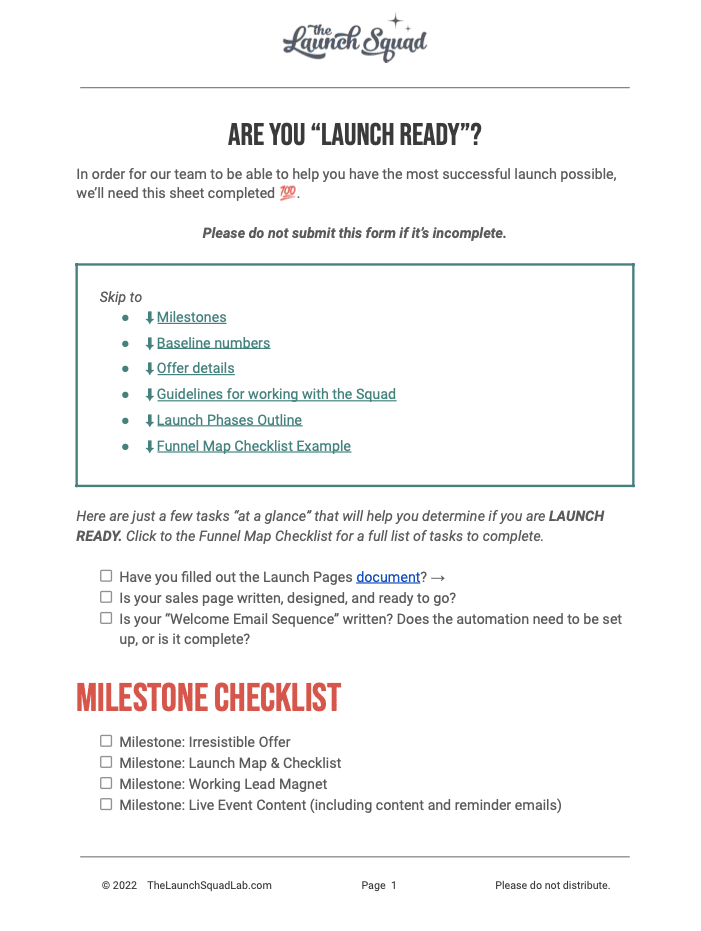


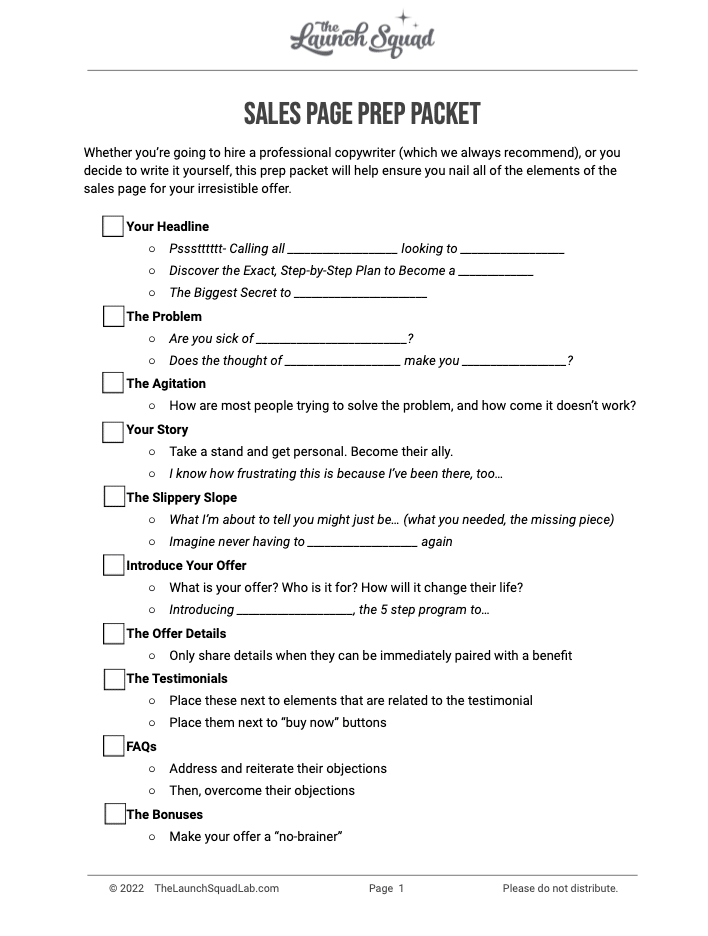
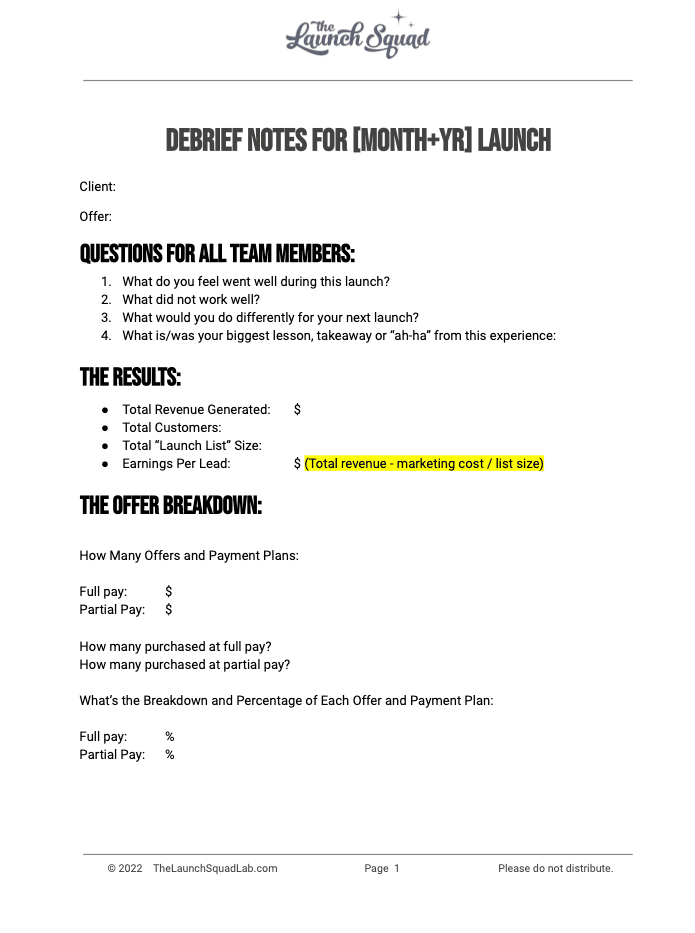

![Marketing Launch Calendar [TEMPLATE]](https://thecontentloop.co/wp-content/uploads/2023/05/Marketing-Launch-Calendar-TEMPLATE.png "Marketing Launch Calendar [TEMPLATE]")
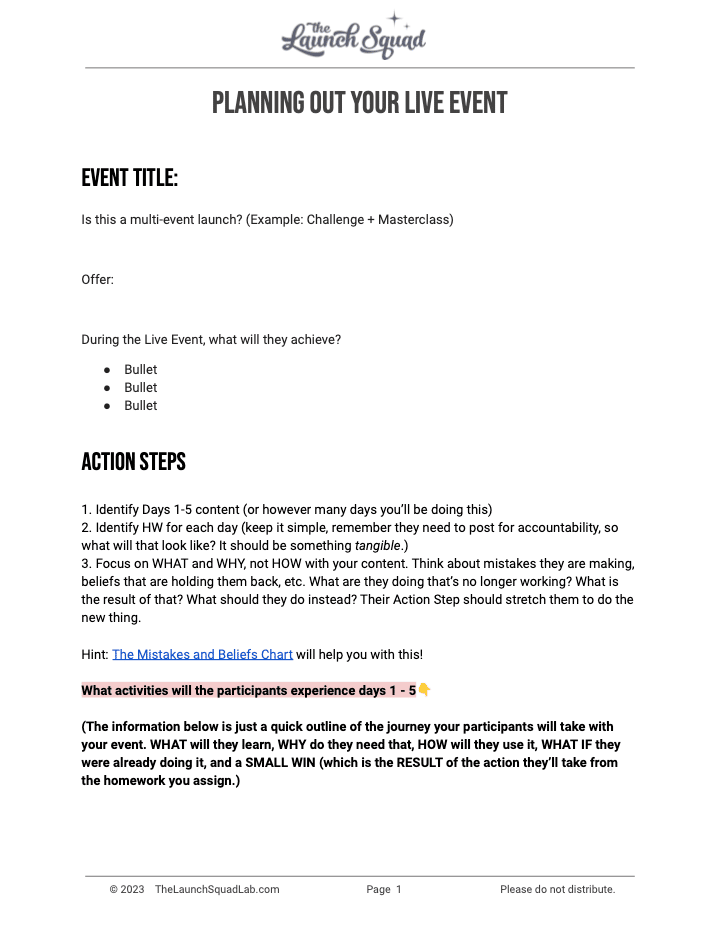
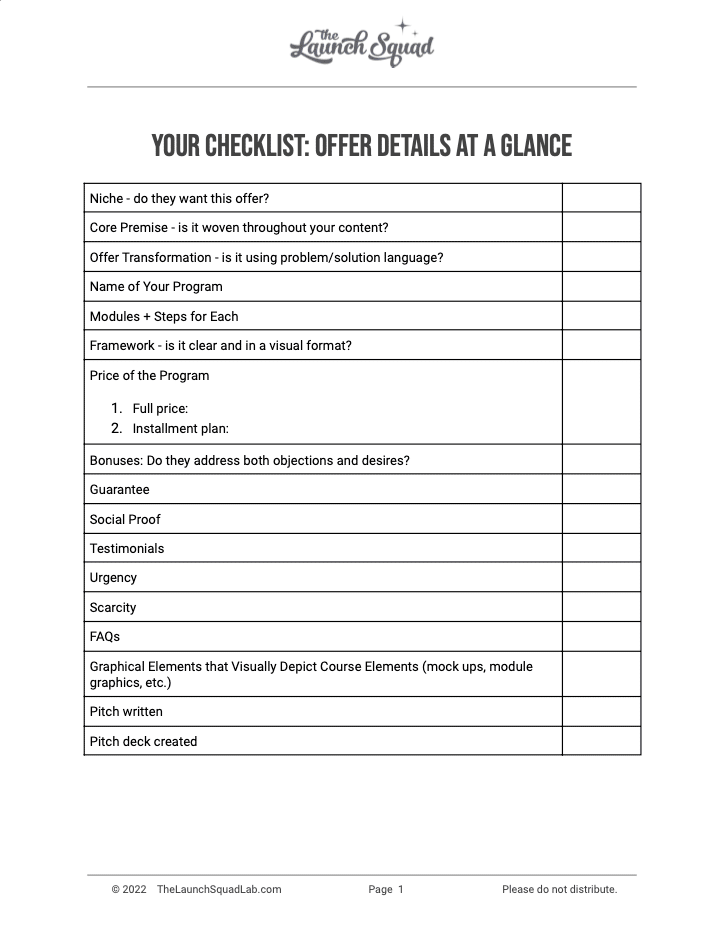


![[Updated] Email Templates for Launch](https://thecontentloop.co/wp-content/uploads/2023/05/Updated-Email-Templates-for-Launch.png "[Updated] Email Templates for Launch")
![[REVISED] LS Pitch Script](https://thecontentloop.co/wp-content/uploads/2023/05/REVISED-LS-Pitch-Script-2023.png "[REVISED] LS Pitch Script")